
ChatGPT
Repriced fastest.
Started lowest, climbed hardest, and became the most consistent Avoid.
Final fair value$1.0–1.2TFinal voteAvoid

Three AI systems tracked a possible Anthropic IPO. The closer its reported valuation moved toward $2 trillion, the further they moved from Buy.
In July, fair-value estimates ranged from $390 billion to $1 trillion. By mid-September 2026, all three had risen, clustering between $965 billion and $1.7 trillion, still short of the reported target.
Midpoints of each model's stated range, USD billions
Fair enterprise value, all eight rounds. Bands reproduce each model's stated range; the line runs through the midpoint, a reading aid only and not a published figure.
Started lowest, climbed hardest, and became the most consistent Avoid.
Gave Anthropic the widest upside, then pressed hardest on margin and compute.
Moved least, and changed its vote when the assumed transaction price changed.
At a $965B assumed price, the systems split. As reports pushed the target toward $2 trillion, all three moved to AVOID. The business didn’t weaken. The price outran the estimates.
Buy, Hold, and Avoid are categorical states—not scores.
Gemini produced the study's only Buy when it assumed an entry price near $965 billion. When it later evaluated Anthropic at the reported $2 trillion target, its recommendation fell to Avoid.
Proof of demand in every round, but never proof of durable margin.
The recurring wildcard large enough to erase the case for a premium valuation.
Amazon and Google provide capital, compute, and distribution—and influence who keeps the value.
Chips, data centers, research, and distribution under one roof: the gap no model expected Anthropic to close by 2030.
By mid-September 2026, every model still ranked Google first.
Anthropic confidentially submitted a draft S-1, moving the IPO from speculation into formal SEC review.
Reuters reported 2028 revenue projections of $190–200 billion, pulling the valuation case two years into the future.
Reuters reported a mid-October launch target and a $15 billion credit facility, firming the timetable.
Reports raised the possibility of a $100 billion offering, $2 trillion valuation, and Nvidia anchor investment.
Dario Amodei called for frontier AI development to be paced, just as the offering became concrete.
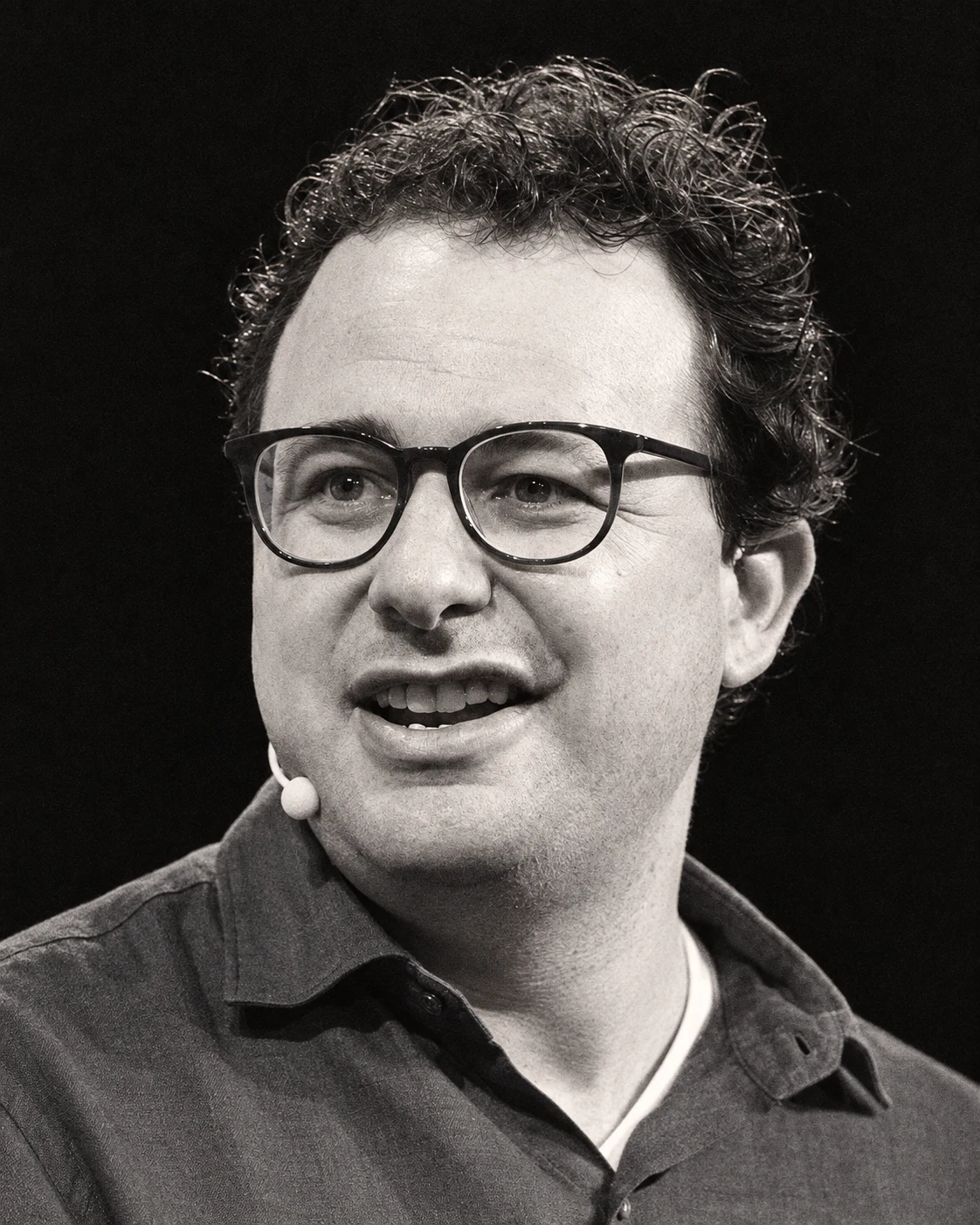
As reports placed Anthropic’s possible IPO near $2 trillion, Dario Amodei was making a different argument: frontier AI is advancing faster than the institutions meant to control it.
His essay did not address an IPO. But it sharpened the contradiction behind one. Public investors may soon be asked to fund extraordinary acceleration in a company whose CEO is publicly arguing that the technology needs stronger brakes.
Anthropic may have to sell growth to investors while its CEO argues for restraint.
Anthropic’s reported $2 trillion target asks investors to value more than revenue, margins or market share. It asks them to price a technology whose economic potential and societal risk may be expanding at the same time.
The models could not agree on exactly what Anthropic was worth. But once they worked from the same $2 trillion figure, they agreed on what to do.
Walk away.
 Robert De Niro, Heat
Moonvine collected responses from ChatGPT, Claude and Gemini once a week from late July through mid-September 2026, using the same ten prompts every round: 240 completed responses across eight rounds.
Responses came from public consumer interfaces. Exact model versions and browsing states were not consistently recorded, so changes may reflect new information, retrieval differences, model updates, or some combination. This report treats responses as evidence of what each system produced at that moment, not as independent financial advice.
What stayed fixed: the same ten questions, the same three public AI systems, and one collection round per week. What kept changing: the news, each system’s available context, and the price assumption used to reach an investment recommendation.
The reported $2 trillion valuation and $100 billion raise come from press reports. Anthropic’s June announcement confirms only the confidential draft S-1. This report is research, not investment advice.

